

YOUR MISSION
Let's see whether SkyHover fits your mission
Tell us what you want to assess and where. You do not need a finished mission plan — together, we'll work out whether we can prepare a pilot trial for your task.
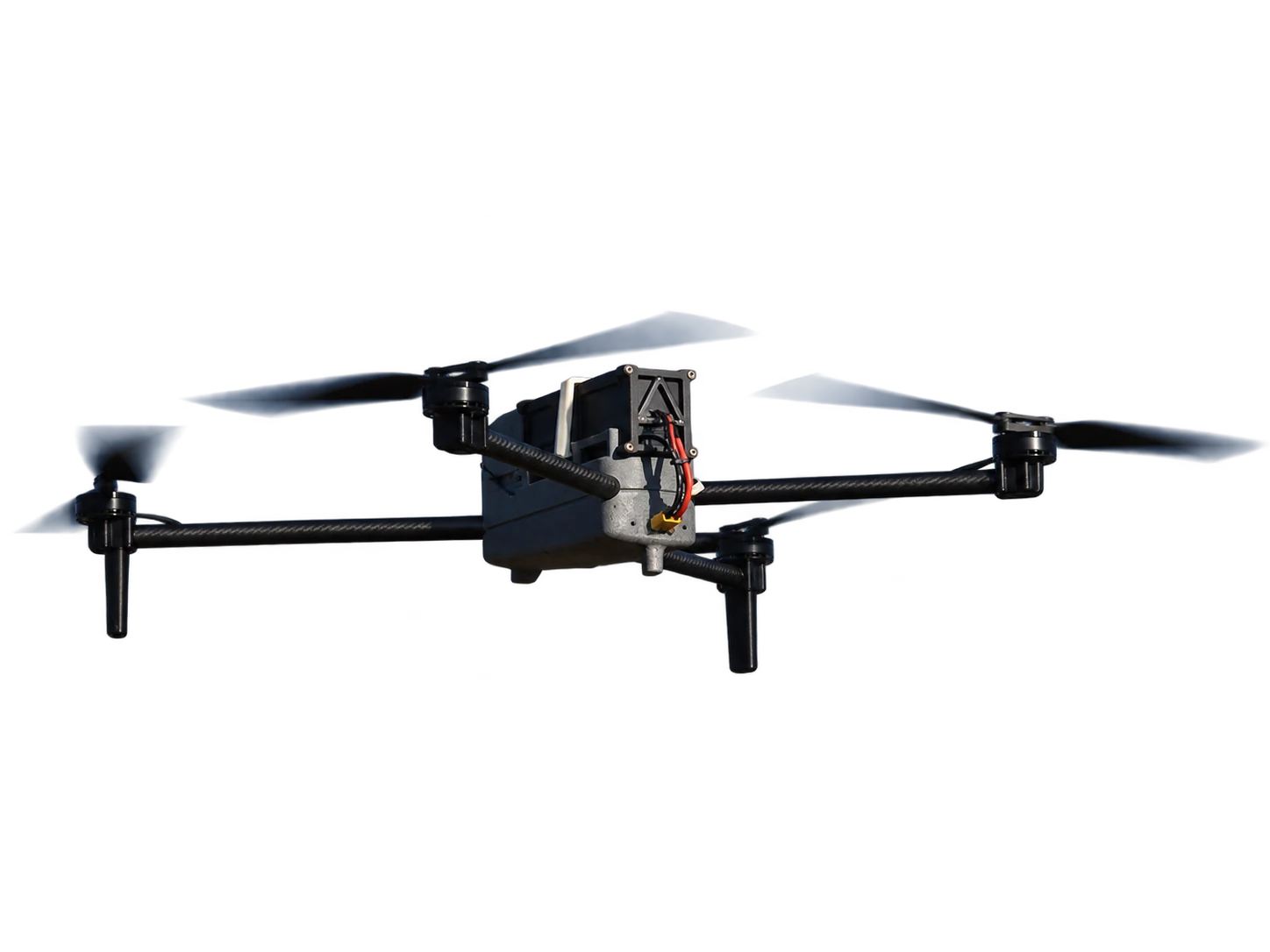
START WITH WHAT YOU KNOW
Talk to us at any stage of your project
A pilot trial assesses whether SkyHover can shorten inspections, reduce work in hard-to-reach places and organise the data. Afterwards, you receive the mission material and a report with results, limitations and a recommendation. The conversation can start with an idea, a project in development or a problem in the field.
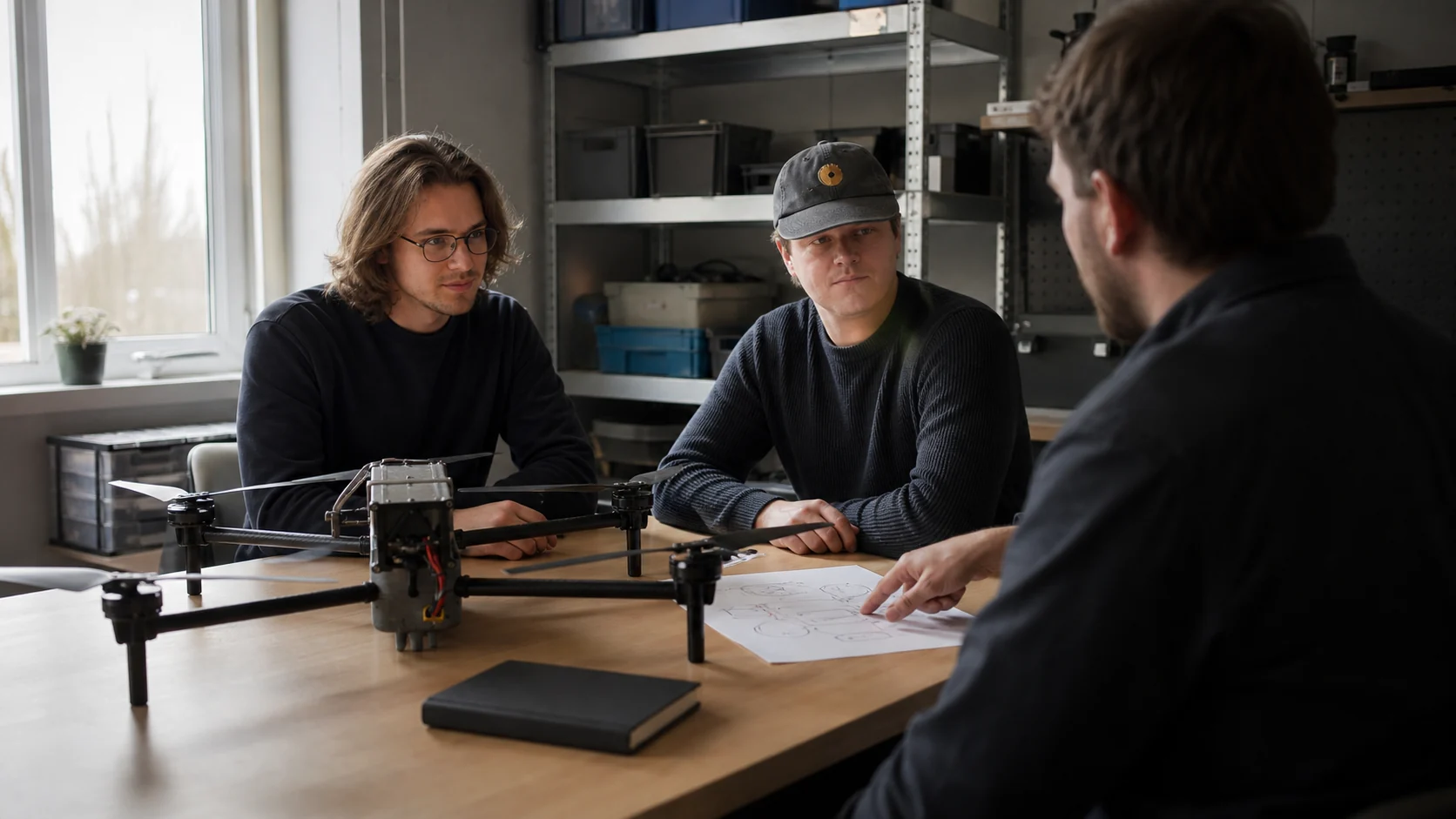
An idea or a problem
Start with a question, a need or a situation you want to improve.
Project stage
We can discuss an initial concept, a project in development or a system already in use.
Operating context
If you know them, describe the asset, site, conditions or constraints. We can fill in the gaps when we talk.
Materials are optional
If you have materials, a general description is enough. Leave confidential documentation for a later stage.
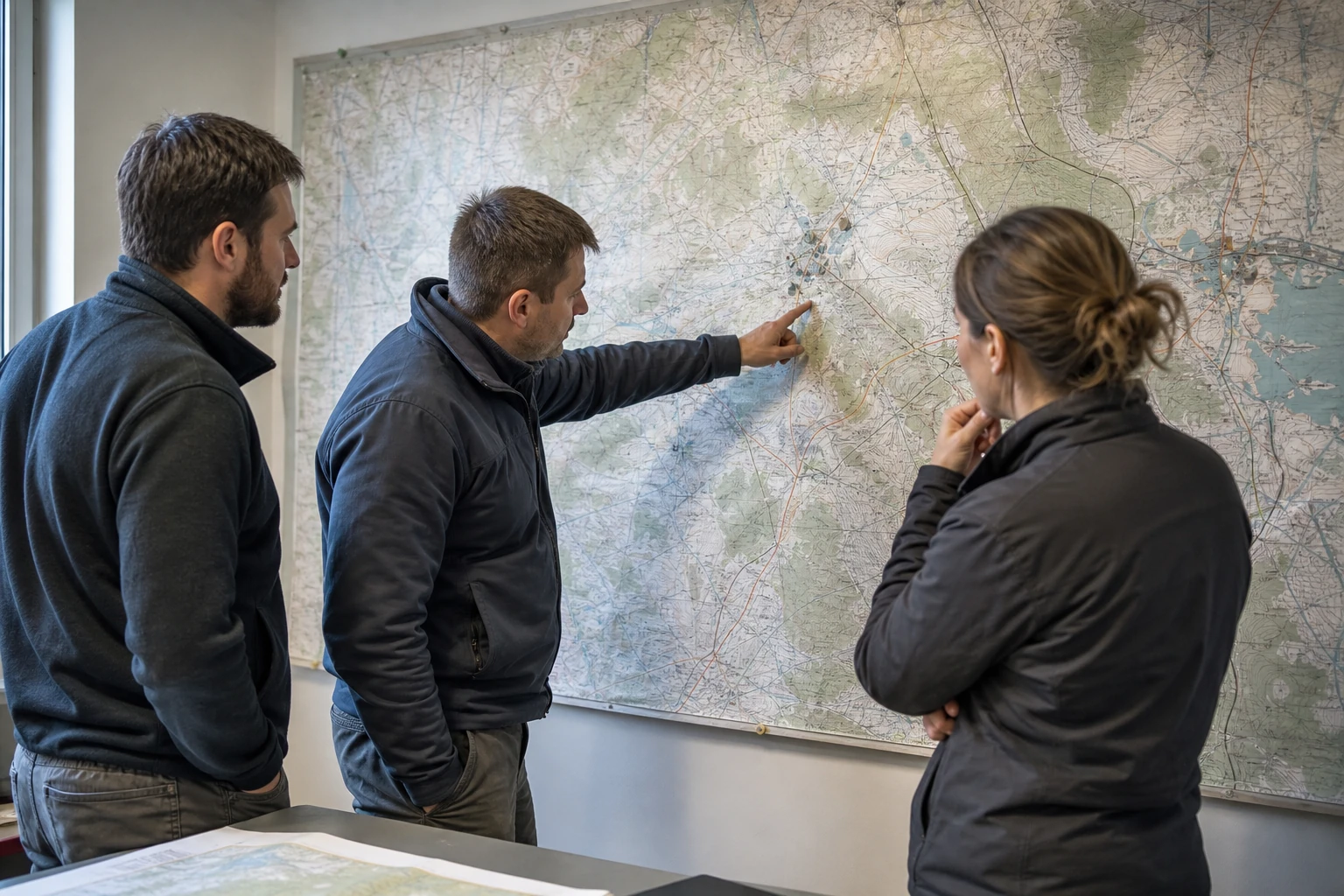
UNDERSTANDING THE MISSION
Let's define the mission
Our discussion will help define what to observe, which data to collect and how we will know whether the trial was useful.
Context
What do you want to assess, and how do you do it today?
Asset or route
What exactly should the trial cover?
Conditions
Which conditions and constraints do we need to consider?
Available resources
Who knows the asset and can arrange site access?
Evaluation method
Which criteria will let us assess the result?
THREE STAGES OF WORKING TOGETHER
Discussion, pilot trial and a decision on further work
Choose a stage to see the details.
01
around 30 minutes
Discuss the project or problem
Conversation
An idea, a need or a brief description of the current stage is enough.
02
usually 1 day in the field
Agreed pilot trial
Pilot
We carry out the trial only after confirming the scope, conditions and criteria.
03
scope agreed individually
Possible next stage
Next stage
Possible after reviewing the trial and separately agreeing the scope and terms.
We compare your needs with the platform's capabilities and define the question the trial should answer.
Starting point
Context for the discussion
What makes inspection or observation difficult today, and what do you want to find out?
We agree
Scenario
We clarify the objective, asset or area, and what you want to learn from the trial.
We clarify
Evaluation conditions
We select evaluation criteria, such as operating time and data quality, and agree the trial conditions.
The pilot trial includes flight preparation, data collection, analysis against agreed criteria and a report. We confirm the details before the trial.
01
Configuration and plan
We select RGB and thermal imaging cameras, then agree the route and observation points.
02
Mission data
We collect camera imagery, location data, logs and telemetry, and prepare the data for further analysis.
03
Evaluation criteria (KPIs)
We assess factors including mission duration, number of interruptions, task coverage and data quality.
04
Report and decision
We summarise the results, limitations and a recommendation for a possible next step.
After discussing the report, we decide whether further work is worthwhile. Continuing requires a separate agreement on tasks, responsibilities and terms.
Platform
Scope of work
We confirm possible platform adaptations for the specific task.
Analysis
Further analysis
The trial report is included in the pilot project. We discuss additional analyses or reporting changes separately.
Working together
Terms of cooperation
We define each party's tasks and the acceptance criteria for further work.
AFTER THE TRIAL
Example report scope
After the pilot trial, you receive the data and a report with results, limitations and a recommendation. These help assess whether this inspection approach is worth developing.
SCOPE OUTLINE
What the report covers
This is an example report structure, with no actual client data.
Mission overview
Duration, route, observation points and recorded parameters.
Mission data
RGB or thermal imagery, geotags, logs, telemetry and task coverage.
Evaluation criteria (KPIs)
Results assessed against criteria agreed before the trial, such as mission duration and data quality.
Results and next step
Findings, limitations and a recommendation for further action.
We agree the scope of analysis for each pilot trial.
POTENTIAL APPLICATIONS
Explore example SkyHover applications
HAVE A SPECIFIC MISSION IN MIND?
Let's start with the scenario.
Describe what you want to assess and where. We'll consider whether a pilot trial is feasible. A brief description without confidential information is enough to start.
SkyMav develops the SkyHover platform and works on UAS projects within a scope defined after a review.
© SkyMav · 2026
KRS 0001236707 · NIP 7963046809 · REGON 544552882
Małęczyńska 25, 26-600 Radom, Poland

